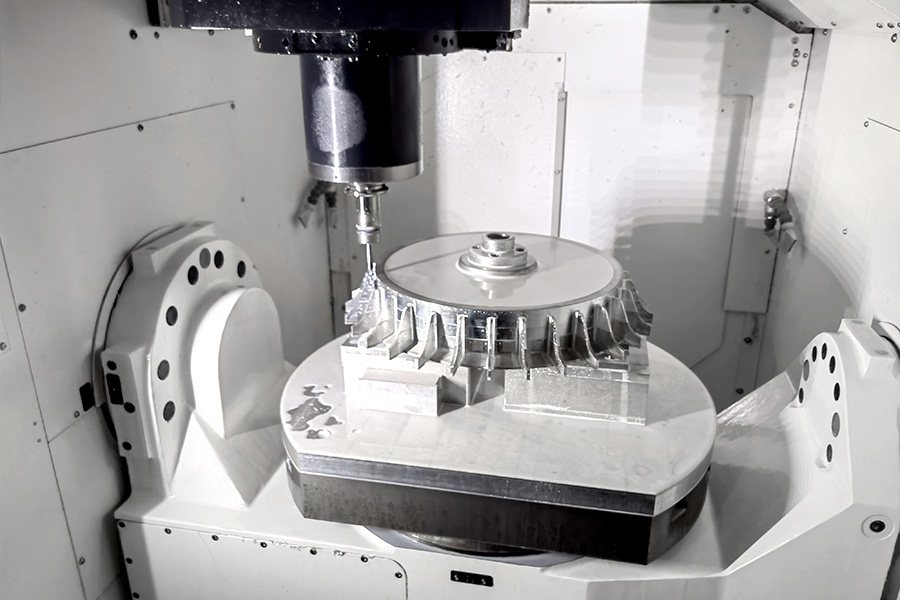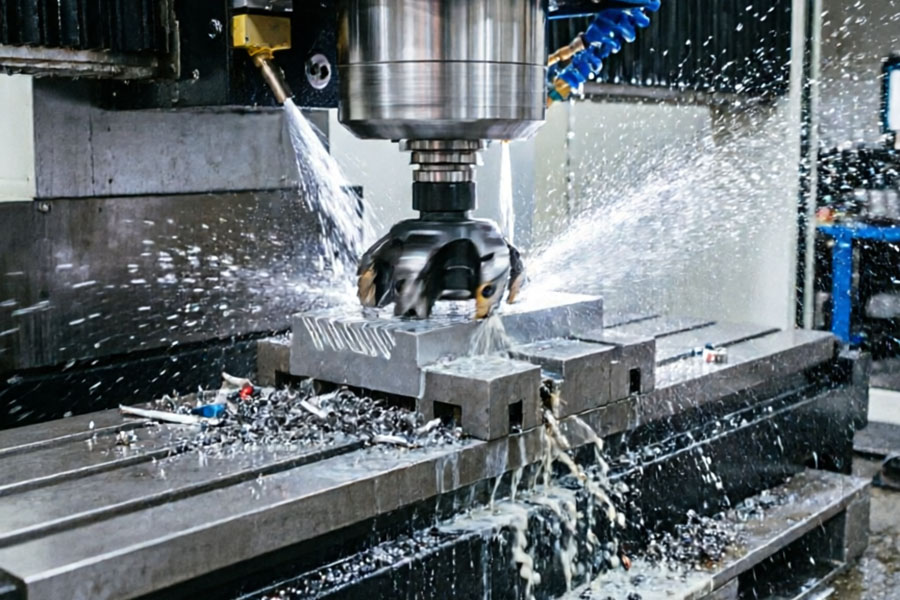
As Industry 4.0 deepens, CNC machining is about much more than just “cutting metal.” From low-altitude aircraft to precision medical implants, material selection dictates the performance ceiling of your product. 🚀 Let’s quickly break down the “Big Four” of the CNC world:
1️⃣ Aluminum: The King of Lightweighting 🥇 Key Grades: 6061 (All-rounder), 7075 (High-Strength) Pros: Lightweight, excellent heat dissipation, easy to machine. Applications: Drone frames, laptop casings, automotive engine blocks. If you need maximum “lightness” without sacrificing strength, Aluminum is your go-to!
2️⃣ Stainless Steel: The Corrosion-Resistant Tank 🛡️ Key Grades: 304 (General Purpose), 316 (Marine Grade) Pros: High strength, rust-resistant. Note: Can be tricky to machine (tendency to work-harden/gall). Applications: Medical devices, food processing equipment, marine hardware. The harsher the environment, the steadier it performs!
3️⃣ Titanium Alloy: The Aerospace Darling ✈️ Pros: Incredible strength-to-weight ratio, biocompatible. Challenge: Poor thermal conductivity makes it tough on tools (“hot” to machine). Applications: Aircraft structural parts, bone implants, high-end sports gear. You pay a premium, but the performance is unmatched!
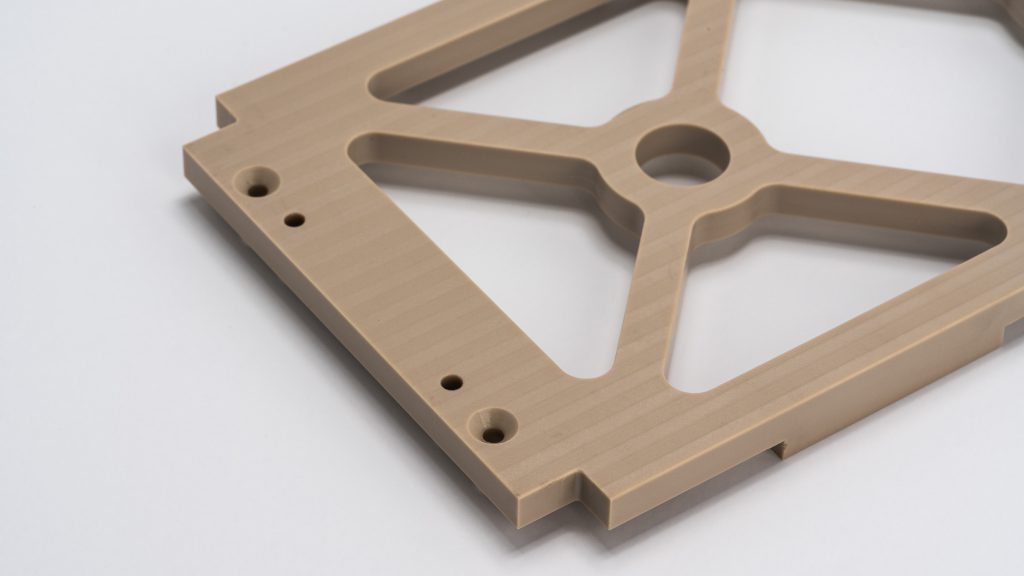
4️⃣ Engineering Plastics: The Insulation & Wear Experts ⚙️ Key Materials: PEEK, Nylon, ABS Pros: Electrical insulation, chemical resistance, self-lubricating. Applications: Electronic insulators, fluid valves, lightweight metal replacements.
Don’t just look at the raw material cost! Consider machining efficiency, tool wear, and final performance. Sometimes, picking the right material wins you the critical time window in the supply chain! ⏱️